How to Validate Your MVP Idea in the GCC Without Writing a Single Line of Code

Maya Khoury
Sep 30, 2024
Product Designer & Gamification Specialist
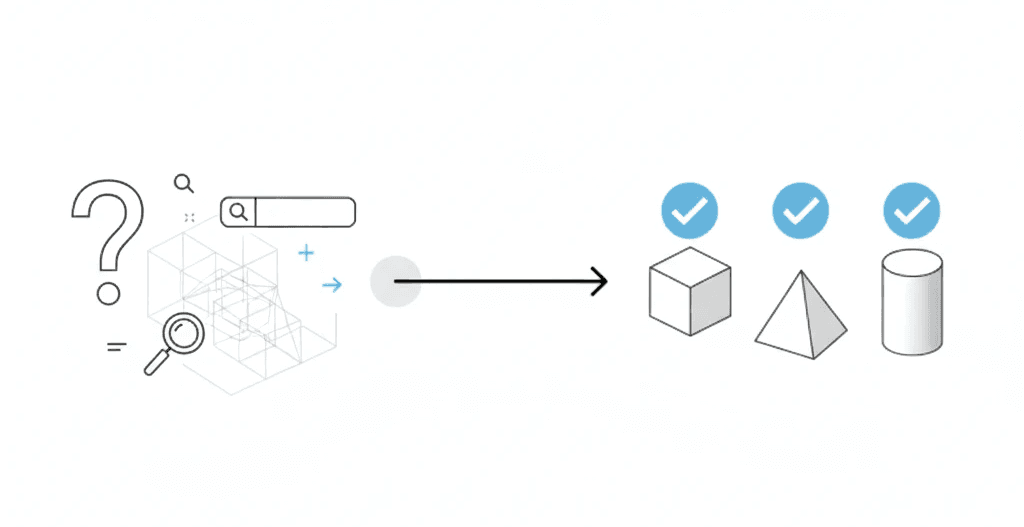
Most founders start by hiring developers and burning cash on an MVP that might miss the mark. But you can test and de-risk your entire concept through strategy and design exercises before any expensive development. Here's the roadmap for validating whether your idea deserves investment—or needs to pivot before you've written a single line of code.
The $120,000 Question Nobody Asks
A founder in Dubai had a brilliant idea for a B2B marketplace connecting freelance designers with small businesses. The concept made intuitive sense, the market seemed underserved, and he had $120,000 in savings ready to invest. His first move was reaching out to development agencies for quotes.
We asked him three questions he hadn't considered: Have you spoken to ten potential customers about this problem? Have you validated that they're currently solving it in ways they find unsatisfactory? Do you know what they'd be willing to pay, and whether that number supports a sustainable business?
He hadn't. Like most founders, he'd moved from idea to implementation without stopping to validate the core assumptions. The concept felt right, which made validation feel like unnecessary delay. Why spend weeks testing when you could spend months building?
Because those weeks of validation often reveal that the months of building would have been wasted. After four weeks of structured validation exercises—user interviews, prototype testing, demand simulation through a landing page—we discovered that the problem existed but wasn't urgent enough to drive behaviour change. Designers had workarounds they were satisfied with, and businesses weren't actively searching for better alternatives. The market existed on paper but not in practice.
He pivoted to a related concept before spending a single dirham on development. The validation investment was $8,000. The savings were $112,000 and six months of his life.
Finding Truth in the GCC Market
Market research in the GCC requires cultural fluency that Western validation playbooks typically miss. You cannot simply translate survey questions and expect honest answers. The regional tendency toward politeness means direct questioning often yields encouraging responses that don't translate to actual behaviour. Users will tell you your idea is interesting because they want to be supportive, not because they'd actually use the product.
The solution is shifting from asking hypothetical questions to observing real behaviour and testing actual commitment. Instead of asking "Would you use an app that solves X?" you validate whether they're currently attempting to solve X in ways that reveal genuine pain. You look for evidence of active searching, workaround solutions they've cobbled together, or money they're already spending on imperfect alternatives.
LinkedIn and WhatsApp groups are goldmines for GCC market validation because they reveal where your target users already congregate. UAE-based startup founder groups, Saudi professional networks, industry-specific communities—these spaces let you observe real conversations about real problems. You're not cold-calling strangers; you're finding people who are already discussing the challenge you think you're solving.
The interview approach matters enormously. Frame conversations as learning sessions rather than pitches. Explain that you're researching a market problem and want to understand their current experience. Ask about the last time they encountered the problem, what they did about it, what frustrated them about existing solutions, and what workarounds they've developed. These questions reveal truth through specifics rather than hypothetical enthusiasm.
For a fintech concept targeting expats, interviewing twenty users uncovered that the stated problem—difficulty with international transfers—was real but already adequately solved by existing services. The deeper problem that emerged from conversation was trust and transparency around fees. Users didn't mind the transfer process; they resented feeling deceived by hidden costs. This insight completely redirected the product strategy toward pricing transparency rather than workflow optimization.
Cultural context shapes validation in unexpected ways. Family dynamics influence purchasing decisions differently than in Western markets. Ramadan changes usage patterns dramatically. Gender considerations affect product design in ways that prototype testing must account for. Arabic language support isn't just translation—it's right-to-left interface design that fundamentally restructures layouts. These aren't details you can retrofit; they're core assumptions you validate early.
The Landing Page Experiment
Before building anything functional, you can test demand through what's essentially a sophisticated bluff. Create a simple bilingual landing page that describes your product concept as if it already exists. Explain the problem it solves, show the key features through mockups or descriptions, and include a clear call-to-action—usually email signup for early access or waitlist registration.
The page doesn't need to be elaborate. Clean design, compelling copy that articulates the value proposition, and enough specificity that users can visualise the actual product. Include Arabic content that's culturally adapted rather than literally translated. Show the product in context through mockups that reflect GCC user interfaces and expectations.
Then drive traffic through small, targeted ad campaigns on Instagram, Facebook, or LinkedIn. Budget $1,000 to $2,000 to reach several thousand impressions among your target demographic in UAE, Saudi Arabia, or broader GCC depending on your market. The conversion rate—percentage of visitors who sign up—reveals whether the value proposition resonates.
A fintech founder tested demand for a Shariah-compliant investment app through a landing page experiment that cost $1,400 to run over two weeks. He drove 3,200 visits and captured 340 email signups—a 10.6% conversion rate that validated strong interest. More importantly, he could now email those 340 people to validate specific feature assumptions and pricing models before building anything.
Compare this to building an MVP blind. If he'd spent $80,000 on development before validating demand, and launched to discover that conversion from awareness to signup was actually 2%, he'd have wasted months and tens of thousands. The landing page experiment proved the concept had legs before any irreversible investment.
The key is treating this ethically. Your landing page should clearly indicate the product is coming soon or in development, not claim it's currently available. You're testing demand, not running a scam. Users who sign up are expressing genuine interest in being notified when the product launches, and you're obligated to actually notify them if you proceed.
Prototyping Without Code
No-code design tools like Figma, Adobe XD, or even Canva let you create clickable prototypes that simulate the actual user experience without writing functional code. These aren't just static mockups—they're interactive flows where users can tap through screens, experience navigation, and complete core workflows as if using a real app.
For validation purposes, a prototype needs to demonstrate the core value proposition and key user journey. If you're building a delivery app, the prototype should show how users browse restaurants, place orders, track delivery, and complete payment. It doesn't need to connect to real restaurants or process real transactions—it needs to feel real enough that users can evaluate whether the experience is intuitive and valuable.
The regional consideration here is critical. Your prototype must include Arabic language options with proper RTL interface design. Many founders test English-only prototypes and discover too late that their layout assumptions break completely when text flows right-to-left. Buttons move, navigation reverses, and visual hierarchy shifts. These aren't minor tweaks—they're fundamental design decisions that affect usability.
Recruit five to ten people from your target segment for moderated testing sessions. These can happen in person at a co-working space or remotely via Zoom. Walk them through the prototype without excessive guidance—tell them the general scenario but let them explore naturally. Watch where they hesitate, where they tap incorrectly, where confusion emerges.
The insights from these sessions are typically brutal and valuable. Users will misunderstand your value proposition within five seconds. They'll tap where no button exists because they expect functionality you hadn't considered. They'll skip steps you thought were critical and linger on details you assumed were obvious. This is exactly what you need to learn before investing in development.
A healthcare booking app tested prototypes with twenty UAE residents and discovered that their assumption about appointment scheduling was completely wrong. Users didn't want calendar-based booking; they wanted immediate "next available" options because their decision to seek care was typically urgent. The entire information architecture needed restructuring, which would have cost $30,000 to fix post-development but cost zero to fix in the prototype.
The Validation Decision Framework
Before you start this process, define clear success criteria. What signals would convince you to proceed? What would tell you to pivot or kill the idea? Quantitative thresholds matter: at least 8% landing page conversion, positive feedback from 70% of prototype testers, evidence that 40% of interviewed users are actively attempting to solve this problem today.
These numbers aren't arbitrary—they're based on understanding that early-stage validation needs strong signals because later conversion rates will drop. If your landing page converts at 8% when you're targeting engaged early adopters with optimistic messaging, real-world conversion after launch will be lower. You need buffer for reality.
The discipline is using these criteria to make hard decisions. Most founders set validation thresholds and then rationalise away negative results. The landing page converted at 3% instead of 8%, but that's still interest, right? Seventy percent of prototype testers were confused, but maybe we just need better onboarding?
This is how you end up building the wrong product with extra steps. Validation only works if you respect the data. If signals are weak, you pivot the concept or target a different segment or kill the idea entirely. The whole point is learning before irreversible investment, but that only helps if you're willing to learn uncomfortable truths.
The Bottom Line
Most entrepreneurs in the GCC build first and validate later, which is why most products fail. The founders who survive are the ones who validate ruthlessly before writing code, using that intelligence to build products the market actually wants rather than products they hoped the market wanted.
Four weeks of validation work costs $8,000 to $15,000 and saves you from six months of building the wrong thing. That's not overhead—it's the highest-ROI investment you can make.
Ready to validate before building? Let's design a validation sprint for your concept and identify the assumptions that need testing before you invest in development. Book a free strategy session.
More articles
Explore more insights from our team to deepen your understanding of digital strategy and web development best practices.